




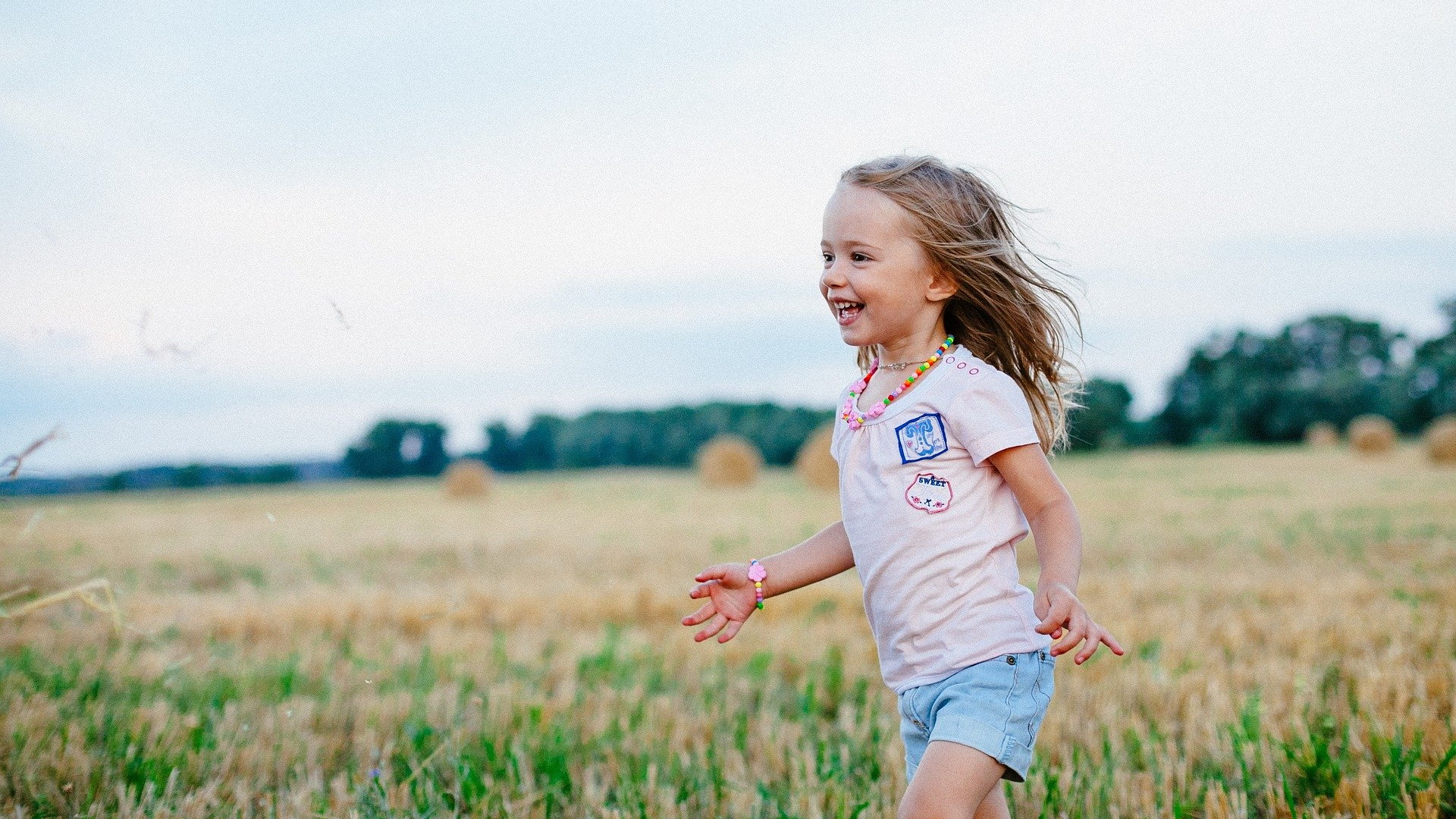
Human activities during the historical development of civilization caused separation from nature. Until few decades ago, children spent time surrounded by fields, wildlife and forests. The life of children in modern life is much different. Today, when children’s play is limited or not even existed, childcare facilities, kindergartens and schools are the best places for bringing nature closer to the children and creating future generations that will appreciate and preserve nature.
During childhood, it is necessary to nourish the feelings that the child is a part of nature because these feelings give shape to values, attitudes and orientations towards life. Authors believe that positive attitudes towards a natural environment are formed in the early period of childhood, in early and middle childhood, and that the formation of such attitudes requires direct contact with nature and stay in it.
Nature deficit leads to diminished use of the senses, attention difficulties and higher rates of physical and emotional illness. The replacement of green play with screen time and demanding school schedules has been shown to cause obesity, lack of socialization, attention disorders and poor academic performance. This change has promoted physical inactivity, increased chronic disease and has negative social and psychological ramifications.
Teaching children about protection and welfare of animals and protection of nature is of great importance for children, society, animals and nature because it helps children to develop their personalities and promotes moral values and influences on building positive values and character, where the treatment of animals is a model for developing relationships with other people (awareness of diversity, understanding, compassion, respect, responsibility, justice and humanity development).

Children’s experience of nature involves three kinds of contact: direct, indirect, and vicarious (or symbolic) experience. Direct experience of nature is often spontaneous and unplanned occurring in relatively unmanaged areas, such as a meadow, a creek, a forest, or sometimes even a park or a child’s backyard. Ecologist Robert Pyle describes these settings as places where kids are free to climb trees, muck about, catch things, and get wet.
By contrast, children’s indirect experience of nature, although involving actual contact, occurs in created and highly controlled environments that depend on ongoing human management and intervention. Indirect experience of nature tends to be highly structured, organized, and planned; it may occur in settings such as zoos, botanical gardens, nature centers, museums, and parks. These indirect encounters sometimes involve domesticated animals (pets), household plants, or other elements of the nonhuman world that have been incorporated into the human household. Domesticated creatures usually mean cats and dogs but can also include horses, birds, and even fish. Children’s indirect experience of nature can also occur through flower and vegetable gardening, raising livestock, and interacting with creatures and habitats that require human input and control.
The decline in children’s experience of nature will not change until a fundamental shift occurs in the attitudes and practices of developers, designers, educators, political leaders, and ordinary citizens. The enormous challenge facing us is how to minimize and mitigate the adverse environmental impacts of the modern built environment and how to provide more positive opportunities for contact with nature among children and adults as an integral part of everyday life. How can we reconcile if not harmonize the natural and human built environments through changes in how we design and develop our increasingly urban world.

A multipronged approach is the most effective to attain these goals, including government policy, urban planning and health care recommendations. Further research is needed to guide policymakers to target resources to interventions that have specific outcomes for specific target groups.
It has been scientifically established that the education of young people from the earliest age forms the necessary level of ecological awareness, and the only strategic reliable way of protecting the nature for the next generations is the formation of an ecologically educational and responsible population that is aware of environmental protection. Teaching children about protection and welfare of animals and protection of nature is of great importance for children, society, animals and nature because it helps children to develop their personalities and promotes moral values and influences on building positive values and character, where the treatment of animals is a model for developing relationships with other people (awareness of diversity, understanding, compassion, respect, responsibility, justice and humanity development)
ORCA is dedicated to connecting children, animals and nature and we believe that this is one of important ways to create better world for children, but at the same time for animals and nature.
How Children’s club ORkidCA connects children with animals and nature?
ORkidCA is a place where children from 6 to 12 years learn how to help nature and animals. During ORkidCA workshops children explore and discover the needs of animals, how to make a dog house… They discover secrets of nature from Antarctic to Indonesia and they can’t wait to find out interesting facts about nature and animals.
During short excursions, children discover natural beauty of Serbia. Adventures in nature, on the farms and other interesting places in our country, are intended for our friends who visit workshops on a regular basis and want to find out more about nature and animals.
Last but not least, during actions for nature and animals, our ORkidCA friends, together with their parents and teachers, come up with ideas such as feeding swans, setting houses for dogs…
ORkidCA is also intended for children who don’t live in Belgrade and can’t visit the workshops. That is why ORkidCA website exists – superheroes Maša and Marko are waiting for each child and they are ready to write Good Deeds Journal, solve The Challenge of Nature and read The Treasury of knowledge.


Leave A Comment