




News of the devastating coronavirus outbreak has led to swift action by the authorities in China in banning the trade in wildlife. According to Reuters, the virus which has killed more than 56 people with many more infected, has been traced to a seafood market in Wuhan that was illegally selling wildlife. Animals listed for sale within the market, now closed, were reported to have included live wolf pups, bamboo rats, squirrels, foxes and civets.
Scientists both inside and out of China have warned of the dangers of people eating animals involved in the illegal trade in wildlife.
After SARS – the Severe Acute Respiratory Syndrome in 2002-3 caused by a similar coronavirus to the one involved in this outbreak – Chinese scientists wrote papers on the risks of allowing people to trade and eat wild meat.
Zhang Jinshuo of the Institute of Zoology, Chinese Academy of Sciences, was one such scientist. According to The Guardian, Jinshou, who took part in the investigations into the source of SARS in 2003, said: “We later published many papers and popular science articles, urging everyone to stop eating wild animals and not to have too close contact with wild animals. Only the health of wild animals and the health of ecosystems can secure human health.”
Reports of the conditions for the animals in these wildlife markets makes grim reading.
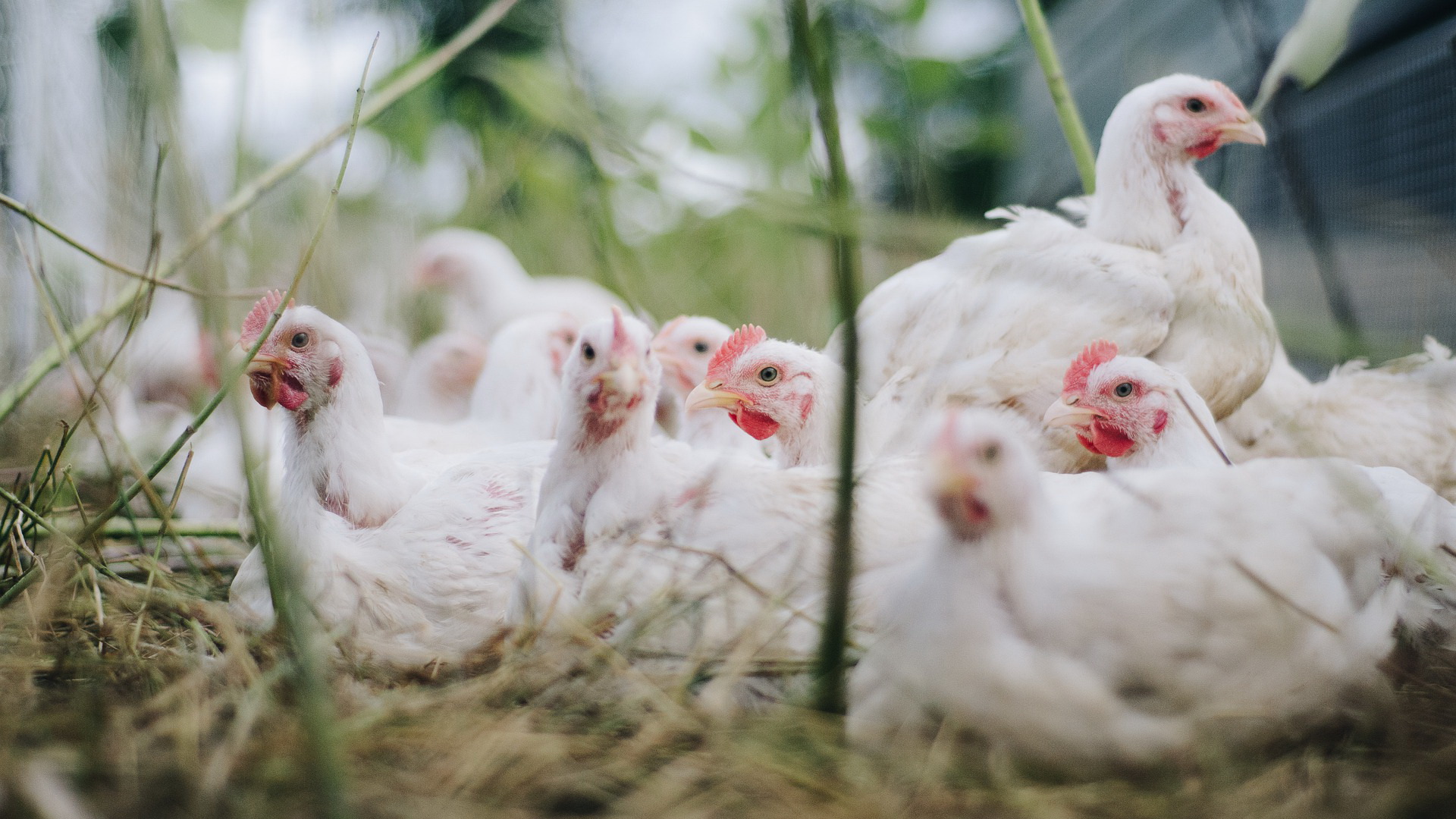
Yet disease threats to people come not only from poor treatment of wildlife; the way we keep animals on industrial farms also has a big bearing.
There is a strong parallel here with other viruses such as Swine Flu, which stems from our treatment of farm animals. This disease has been devastating; likely emanate in large part from keeping living, breathing, sentient creatures in the most unnatural conditions – caged, crammed and confined on industrial farms. Conditions that provide the perfect breeding ground for novel and more deadly strains of disease.
Swine Flu was a warning to the world; it spread far more quickly than anyone anticipated: within a week, ten countries were affected; within months, 180 countries had been hit. Within a year, according to the World Health Organisation, the virus was linked to over 18,000 deaths worldwide. What Swine Flu taught us over a decade ago was that treating animals as mere commodities – be they domesticated or wild – means playing Russian Roulette with people’s health.
Clearly and thankfully, the latest coronavirus outbreak is not on this scale, but the swift action by China government to stop the illegal wildlife trade is necessary.
It seems clear that a key component of reducing the risk of devastating diseases in the future is to reconnect with our humanity for animals. To ensure that the sentience of animals – their ability to feel pain, to suffer, and to experience a sense of joy if we let them – whether wild or farmed, lies at the heart of future disease control strategies. One health, one welfare. Safeguarding the health and wellbeing of people requires us to protect the welfare of animals too.
World Health Organisation proposed basic protective meaasure against the coronavirus:
- Wash your hands frequently
- When coughing and sneezing, cover mouth and nose with flexed elbow or tissue
- Maintain at least 1 metre (3 feet) distance between yourself and other people, particularly those who are coughing, sneezing and have a fever.
- Ensure regular hand washing with soap and potable water after touching animals and animal products; avoid touching eyes, nose or mouth with hands; and avoid contact with sick animals or spoiled animal products


Leave A Comment